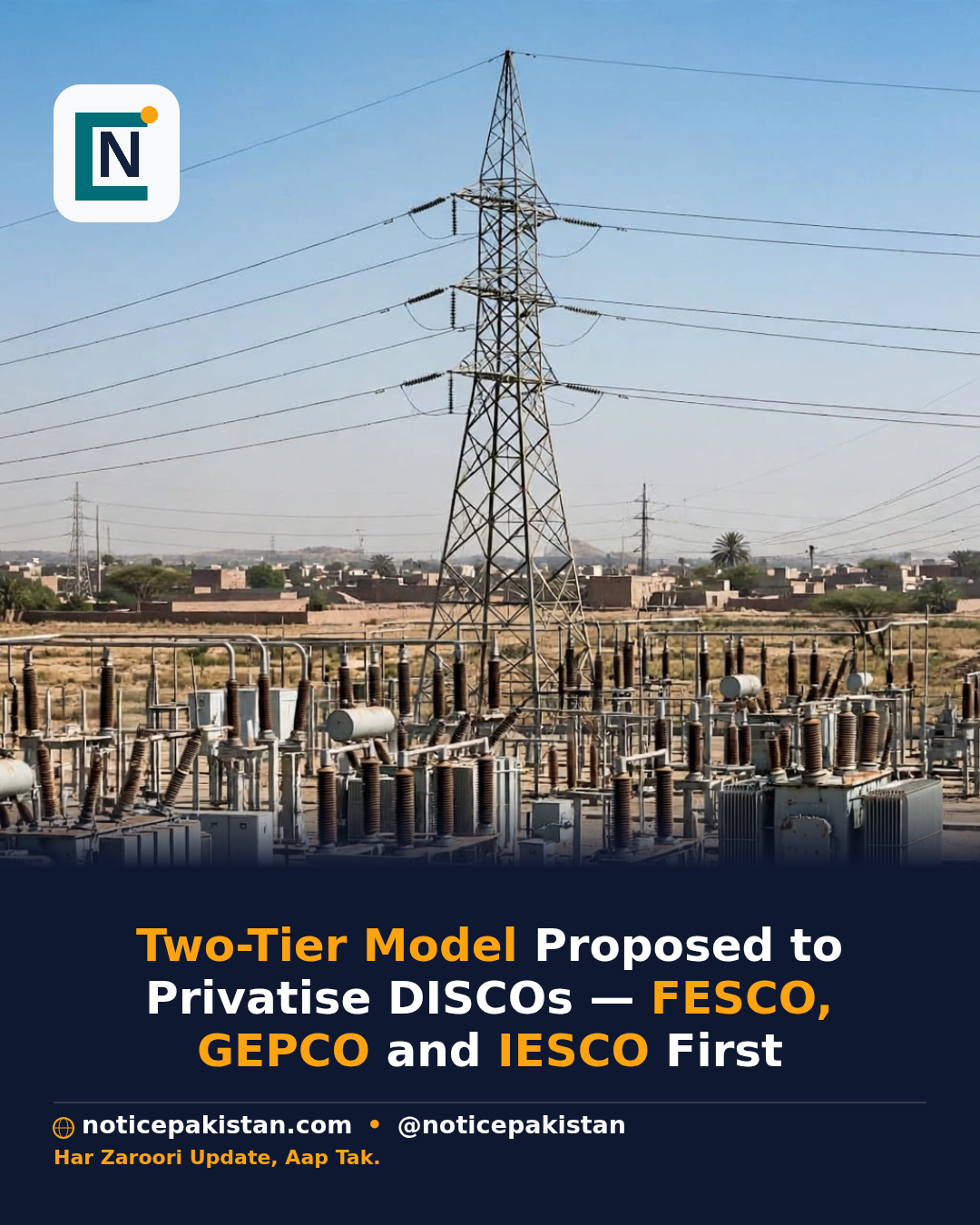
The government has proposed a new two-tier business model for the privatisation of Pakistan’s electricity distribution companies (DISCOs), under which the physical power network and the business of selling electricity would be handled separately, according to reports by ProPakistani, Profit by Pakistan Today and The Public Purview.
The proposal is not yet final. It remains subject to approval by the Power Sector Reforms Steering Committee and the federal cabinet, and the reports present it as a plan under consideration rather than a completed decision.
Under the proposed model, the distribution business would be split into two tiers. In the first tier, a single private investor would own the physical distribution network — the poles, wires and other assets that carry electricity to homes and businesses. That network owner would be regulated by the government and would act as the supplier of last resort, meaning it would remain responsible for ensuring supply where no other supplier steps in.
In the second tier, other private companies, described as “competitive suppliers”, would handle the commercial side of the business: procuring electricity, selling it to consumers, and managing billing and collections. These suppliers would acquire generation capacity and customer portfolios through competitive auctions, introducing competition into the sale and supply of electricity rather than leaving it with a single distributor.
The model would initially apply to three distribution companies: FESCO, GEPCO and IESCO. The reports do not state when the remaining distribution companies would follow, or in what order, and no timetable for the first auctions has been given in the material reported so far.
One of the most important points in the proposal, for consumers, is what it does not promise. Electricity bills will not fall immediately under the new model. Consumers will continue to pay around Rs 17 per unit for unused generation capacity — the cost of power generation capacity that has been contracted but is not being used. Total annual capacity payments stand at around Rs 1.7 trillion, and that burden does not disappear with the change in ownership structure.
That detail matters because capacity payments have been one of the largest drivers of high electricity tariffs in Pakistan. The proposed model changes who owns the wires and who sells the electricity, but it does not by itself remove the capacity payment obligation. Any relief for consumers on that front would depend on separate decisions about generation contracts and capacity charges, which are not part of the proposal as reported.
The model would also end the role of the Central Power Purchasing Agency (CPPA) as the sole buyer of electricity. Under the current arrangement, the CPPA buys power from generators on behalf of the distribution system. Under the proposed two-tier structure, competitive suppliers would procure electricity themselves, replacing the single-buyer arrangement with a market in which multiple suppliers buy generation capacity and compete for customers.
Supporters of the approach, as reflected in the reporting, see the separation of the network from the supply business as a way to bring private investment and competition into a sector that has long struggled with losses, weak recoveries and poor service. A regulated network owner would maintain the physical infrastructure, while competing suppliers would have a commercial incentive to bill accurately, collect payments and retain customers.
There are, however, significant questions that the proposal as reported does not yet answer. It does not specify how the auctions for generation capacity and customer portfolios would be designed, how consumer protection would work if a competitive supplier failed or withdrew, or how the transition would be managed for existing consumers of FESCO, GEPCO and IESCO. The reports also do not name any prospective investors or indicate a price or valuation for the networks.
The approval process itself is the next step. The Power Sector Reforms Steering Committee and the federal cabinet must both consider the proposal before it can move forward. Until those approvals are given, the two-tier model remains a proposal — a significant one, given the scale of the power sector and the Rs 1.7 trillion annual capacity payment bill, but still a proposal rather than a settled reform.
For consumers, the immediate message is therefore a mixed one. The structure of the power sector may be about to change in a fundamental way, with private ownership of the distribution network and competition in electricity supply. But the cost that weighs most heavily on bills — the charge of around Rs 17 per unit for unused generation capacity — will remain in place, at least for now.
Sources: ProPakistani, Profit by Pakistan Today, The Public Purview.
اردو میں پڑھیں
حکومت نے پاکستان کی بجلی کی تقسیم کار کمپنیوں (DISCOs) کی نجکاری کے لیے ایک نیا دو درجاتی کاروباری ماڈل تجویز کیا ہے، جس کے تحت بجلی کا طبعی نیٹ ورک اور بجلی کی فروخت کا کاروبار الگ الگ سنبھالا جائے گا۔ یہ بات ProPakistani، Profit by Pakistan Today اور The Public Purview کی رپورٹس میں سامنے آئی ہے۔
یہ تجویز ابھی حتمی نہیں ہے۔ اس پر پاور سیکٹر ریفارمز اسٹیئرنگ کمیٹی اور وفاقی کابینہ کی منظوری درکار ہے، اور رپورٹس میں اسے ایک مکمل فیصلے کے بجائے زیرِ غور منصوبے کے طور پر پیش کیا گیا ہے۔
تجویز کردہ ماڈل کے تحت تقسیم کا کاروبار دو درجوں میں تقسیم ہوگا۔ پہلے درجے میں ایک نجی سرمایہ کار بجلی کے طبعی تقسیمی نیٹ ورک — یعنی کھمبوں، تاروں اور دیگر اثاثوں — کا مالک ہوگا، جو بجلی گھروں اور کاروباروں تک پہنچاتے ہیں۔ نیٹ ورک کا یہ مالک حکومت کی نگرانی میں کام کرے گا اور آخری سہارا فراہم کرنے والا سپلائر ہوگا، یعنی جہاں کوئی اور سپلائر موجود نہ ہو، وہاں بجلی کی فراہمی کی ذمہ داری اسی پر ہوگی۔
دوسرے درجے میں دیگر نجی کمپنیاں، جنہیں “مسابقتی سپلائرز” کہا گیا ہے، کاروبار کا تجارتی پہلو سنبھالیں گی: بجلی کی خریداری، صارفین کو فروخت، اور بلنگ و وصولیوں کا انتظام۔ یہ سپلائرز مسابقتی نیلامیوں کے ذریعے پیداواری صلاحیت اور صارفین کے پورٹ فولیو حاصل کریں گے، جس سے بجلی کی فروخت اور فراہمی میں ایک ہی تقسیم کار پر انحصار کے بجائے مقابلہ پیدا ہوگا۔
یہ ماڈل ابتدائی طور پر تین تقسیم کار کمپنیوں پر لاگو ہوگا: FESCO، GEPCO اور IESCO۔ رپورٹس میں یہ نہیں بتایا گیا کہ باقی تقسیم کار کمپنیاں کب یا کس ترتیب سے اس میں شامل ہوں گی، اور اب تک سامنے آنے والی معلومات میں پہلی نیلامیوں کا کوئی شیڈول بھی نہیں دیا گیا۔
صارفین کے لیے اس تجویز کا سب سے اہم پہلو وہ ہے جس کا اس میں وعدہ نہیں کیا گیا۔ نئے ماڈل کے تحت بجلی کے بل فوری طور پر کم نہیں ہوں گے۔ صارفین غیر استعمال شدہ پیداواری صلاحیت کے لیے تقریباً 17 روپے فی یونٹ ادا کرتے رہیں گے — یعنی اس بجلی کی پیداواری صلاحیت کی قیمت جو معاہدے کے تحت حاصل کی گئی ہے لیکن استعمال نہیں ہو رہی۔ صلاحیتی ادائیگیوں کا سالانہ مجموعی حجم تقریباً 1.7 ٹریلین روپے ہے، اور ملکیت کے ڈھانچے میں تبدیلی سے یہ بوجھ ختم نہیں ہوتا۔
یہ تفصیل اس لیے اہم ہے کہ صلاحیتی ادائیگیاں پاکستان میں بجلی کے مہنگے نرخوں کی سب سے بڑی وجوہات میں سے ایک رہی ہیں۔ تجویز کردہ ماڈل یہ بدلتا ہے کہ تاروں کا مالک کون ہوگا اور بجلی کون بیچے گا، لیکن یہ خود صلاحیتی ادائیگی کی ذمہ داری ختم نہیں کرتا۔ صارفین کو اس مد میں کوئی ریلیف پیداواری معاہدوں اور صلاحیتی چارجز سے متعلق الگ فیصلوں پر منحصر ہوگا، جو رپورٹ شدہ تجویز کا حصہ نہیں ہیں۔
یہ ماڈل سینٹرل پاور پرچیزنگ ایجنسی (CPPA) کا بجلی کے واحد خریدار کے طور پر کردار بھی ختم کر دے گا۔ موجودہ نظام کے تحت CPPA تقسیمی نظام کی جانب سے بجلی پیدا کرنے والوں سے بجلی خریدتا ہے۔ تجویز کردہ دو درجاتی ڈھانچے کے تحت مسابقتی سپلائرز خود بجلی خریدیں گے، جس سے واحد خریدار کا نظام ختم ہو کر ایک ایسی مارکیٹ بن جائے گی جس میں متعدد سپلائرز پیداواری صلاحیت خریدیں گے اور صارفین کے لیے مقابلہ کریں گے۔
رپورٹنگ کے مطابق اس طریقہ کار کے حامی نیٹ ورک کو سپلائی کے کاروبار سے الگ کرنے کو ایک ایسے شعبے میں نجی سرمایہ کاری اور مقابلہ لانے کا راستہ سمجھتے ہیں جو طویل عرصے سے نقصانات، کمزور وصولیوں اور ناقص سروس سے دوچار ہے۔ ایک باقاعدہ نگرانی والا نیٹ ورک مالک طبعی بنیادی ڈھانچے کو برقرار رکھے گا، جبکہ مسابقتی سپلائرز کو درست بلنگ، ادائیگیوں کی وصولی اور صارفین کو برقرار رکھنے کی تجارتی ترغیب حاصل ہوگی۔
تاہم، کئی اہم سوالات ہیں جن کا جواب رپورٹ شدہ تجویز میں ابھی نہیں دیا گیا۔ اس میں یہ واضح نہیں کہ پیداواری صلاحیت اور صارفین کے پورٹ فولیو کی نیلامیوں کا ڈیزائن کیا ہوگا، اگر کوئی مسابقتی سپلائر ناکام ہو جائے یا دستبردار ہو جائے تو صارفین کا تحفظ کیسے ہوگا، یا FESCO، GEPCO اور IESCO کے موجودہ صارفین کے لیے منتقلی کا انتظام کیسے کیا جائے گا۔ رپورٹس میں کسی ممکنہ سرمایہ کار کا نام بھی نہیں دیا گیا، اور نہ نیٹ ورکس کی قیمت یا قدر کا کوئی اشارہ موجود ہے۔
اگلا مرحلہ خود منظوری کا عمل ہے۔ پاور سیکٹر ریفارمز اسٹیئرنگ کمیٹی اور وفاقی کابینہ، دونوں کو آگے بڑھنے سے قبل اس تجویز پر غور کرنا ہوگا۔ جب تک یہ منظوریاں نہیں ملتیں، دو درجاتی ماڈل ایک تجویز ہی رہے گا — بجلی کے شعبے کے حجم اور 1.7 ٹریلین روپے کی سالانہ صلاحیتی ادائیگیوں کے پیشِ نظر ایک اہم تجویز، لیکن پھر بھی ایک طے شدہ اصلاح کے بجائے ایک تجویز۔
صارفین کے لیے فوری پیغام اس لیے ملا جلا ہے۔ بجلی کے شعبے کا ڈھانچہ بنیادی طور پر تبدیل ہو سکتا ہے، جس میں تقسیمی نیٹ ورک کی نجی ملکیت اور بجلی کی فراہمی میں مقابلہ شامل ہوگا۔ لیکن بلوں پر سب سے زیادہ بوجھ ڈالنے والی لاگت — غیر استعمال شدہ پیداواری صلاحیت کے لیے تقریباً 17 روپے فی یونٹ کا چارج — کم از کم فی الحال برقرار رہے گی۔
ذرائع: ProPakistani، Profit by Pakistan Today، The Public Purview۔
Sources / ذرائع: ProPakistani, Profit by Pakistan Today, The Public Purview.